

How to Embrace Suffering
4 - 10 Nov
Silent Retreat | Tracing Tshampo’s Roots
Yuksom, Nambu
6 slots only

My friend woke up one day with a locked jaw.
The doctors told her she needed to be on painkillers, possibly for the rest of her life.
This happened before she went for a meditation retreat.
During the retreat, she felt an intense pain right where her jaw was locked. Instinctively, she wanted to fight it and make it stop, but she had just been taught to do something different.
She observed the pain.
That evening at dinner, her jaw unlocked and she could eat normally again.
Everyone of us who heard her story got goosebumps.
Meditation unties the mind-body knots within us, and she is living proof that it works.
“I wish I’d let myself be happier.”
The absence of suffering does not bring you happiness, but the ability to embrace it does.
The ability of being aware that every moment has enough space for you to choose peace.
Peace is happiness.
Peel the layers of your suffering and get to the core to see it for what it really is.
Bring home techniques to notice the moments before suffering starts.
“I wish I’d had the courage to live a life true to myself, not the life others expected of me.”
When was the last time you had the space and time to step away from the tangible or invisible forces that tell you, explicitly or implicitly, what you should do with your life?
How would a life true to yourself look like?
What are the forces that are holding you back?
What would it take to break free from these forces?
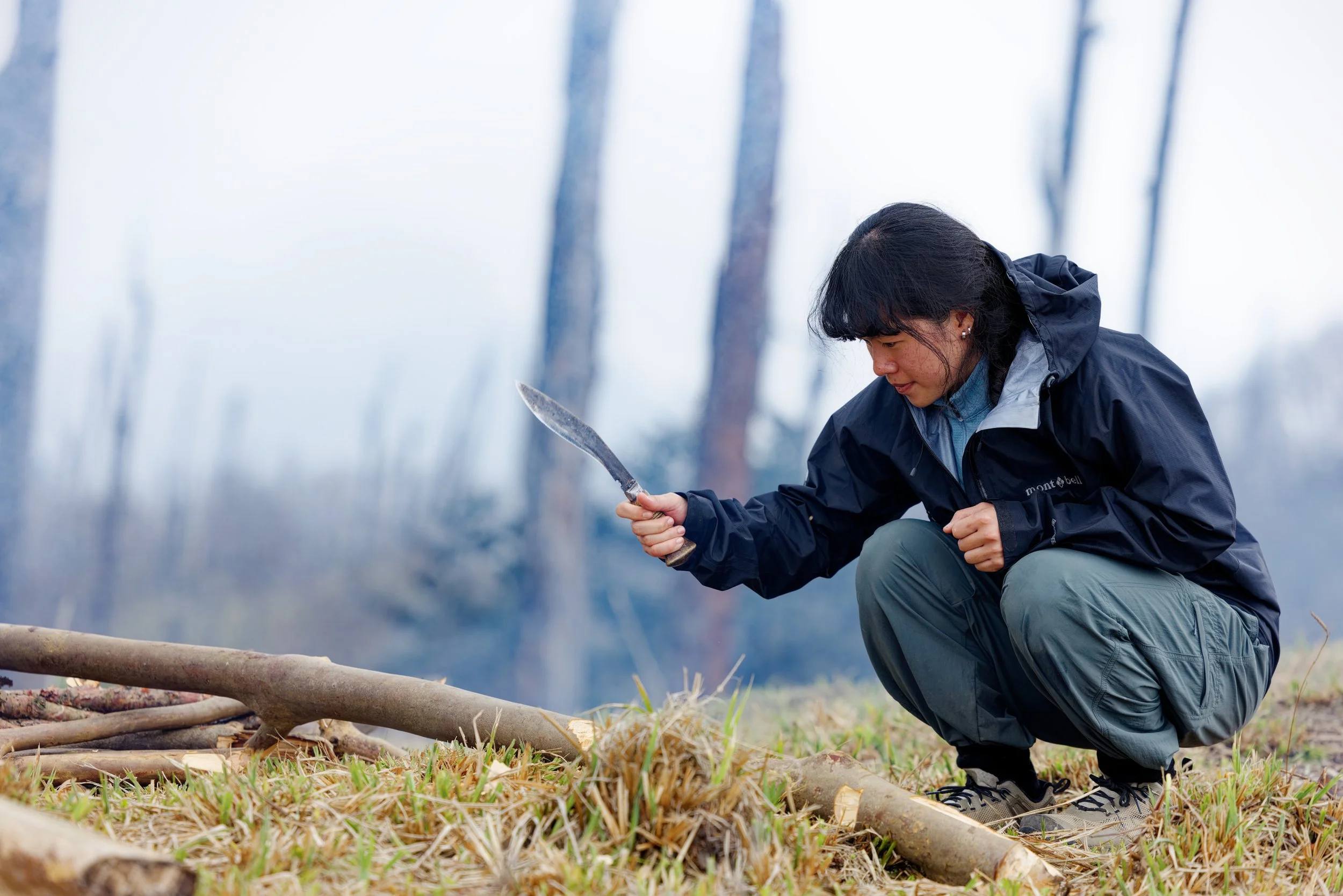
“A simple life being contented and intentional, focused lesser on what we do, but who we are and the good impact we leave on this world.”
Heather (2026 April)
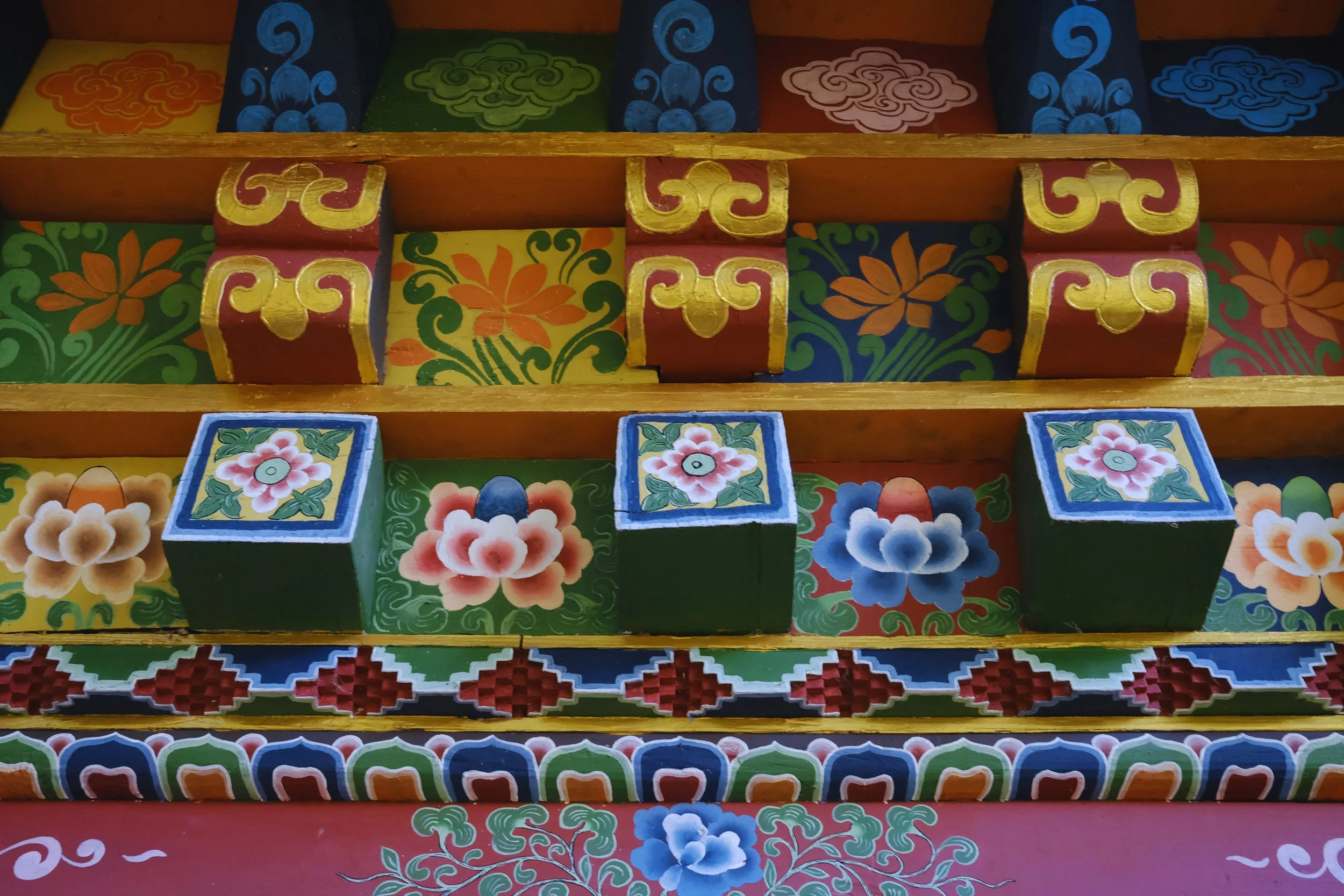
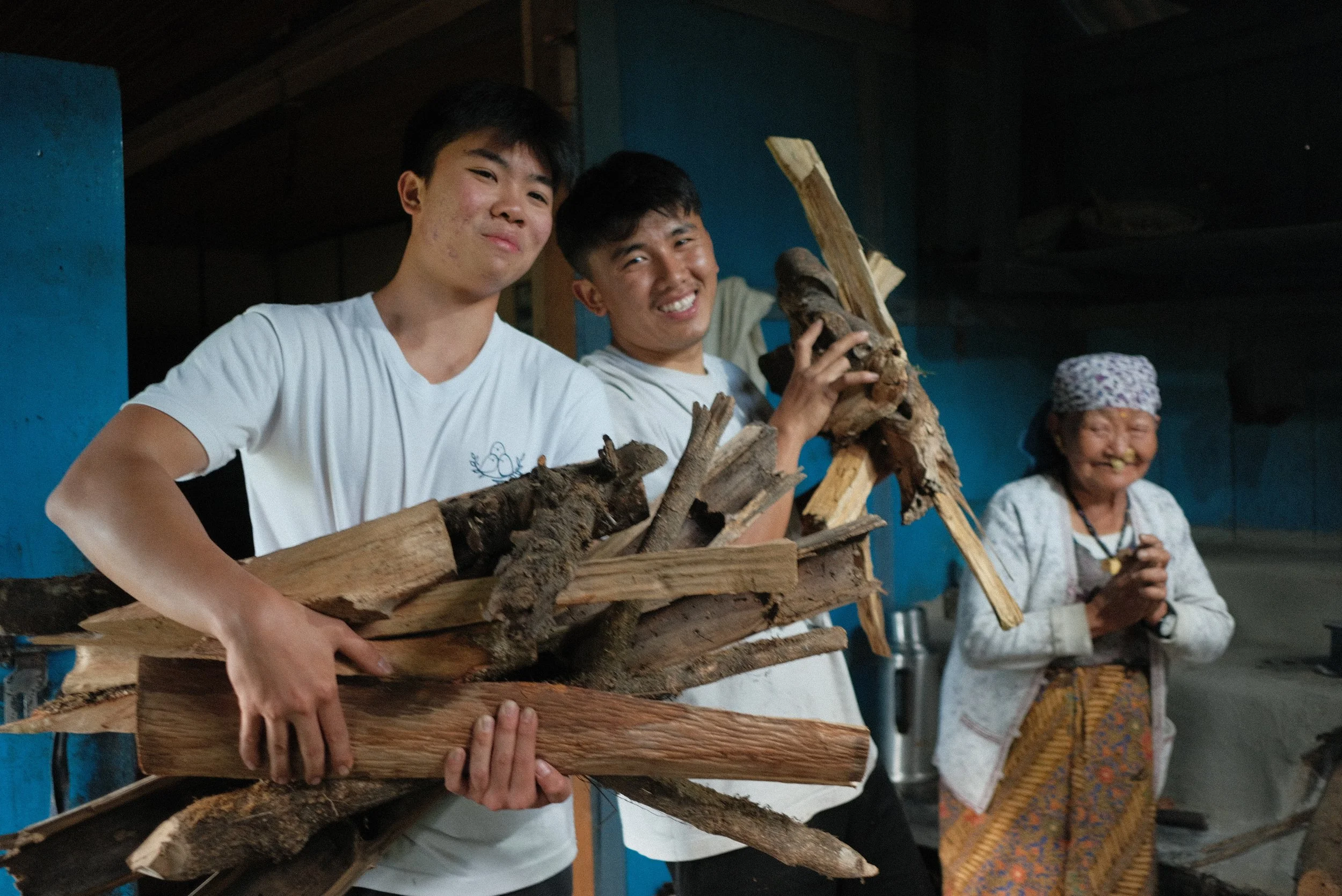
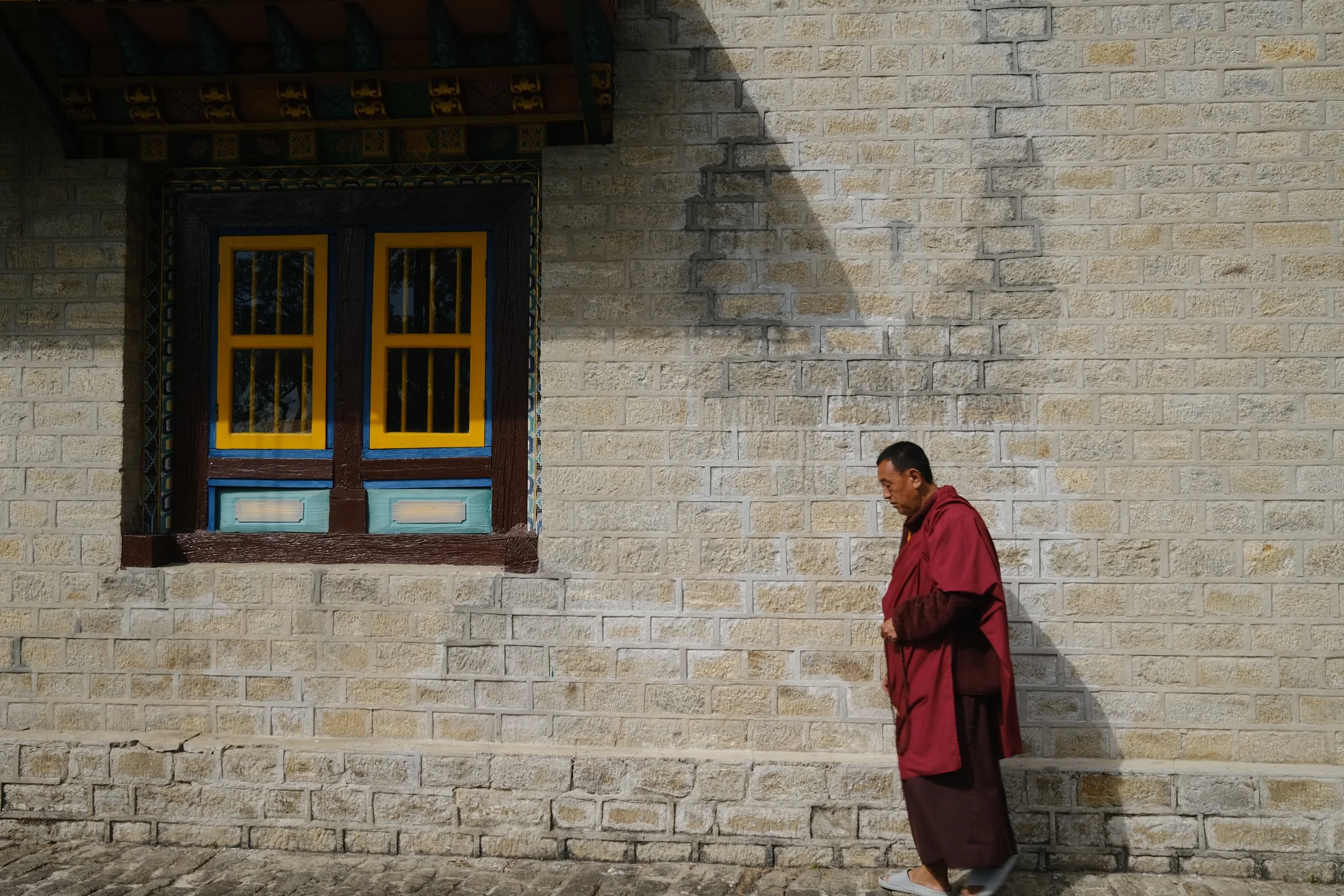
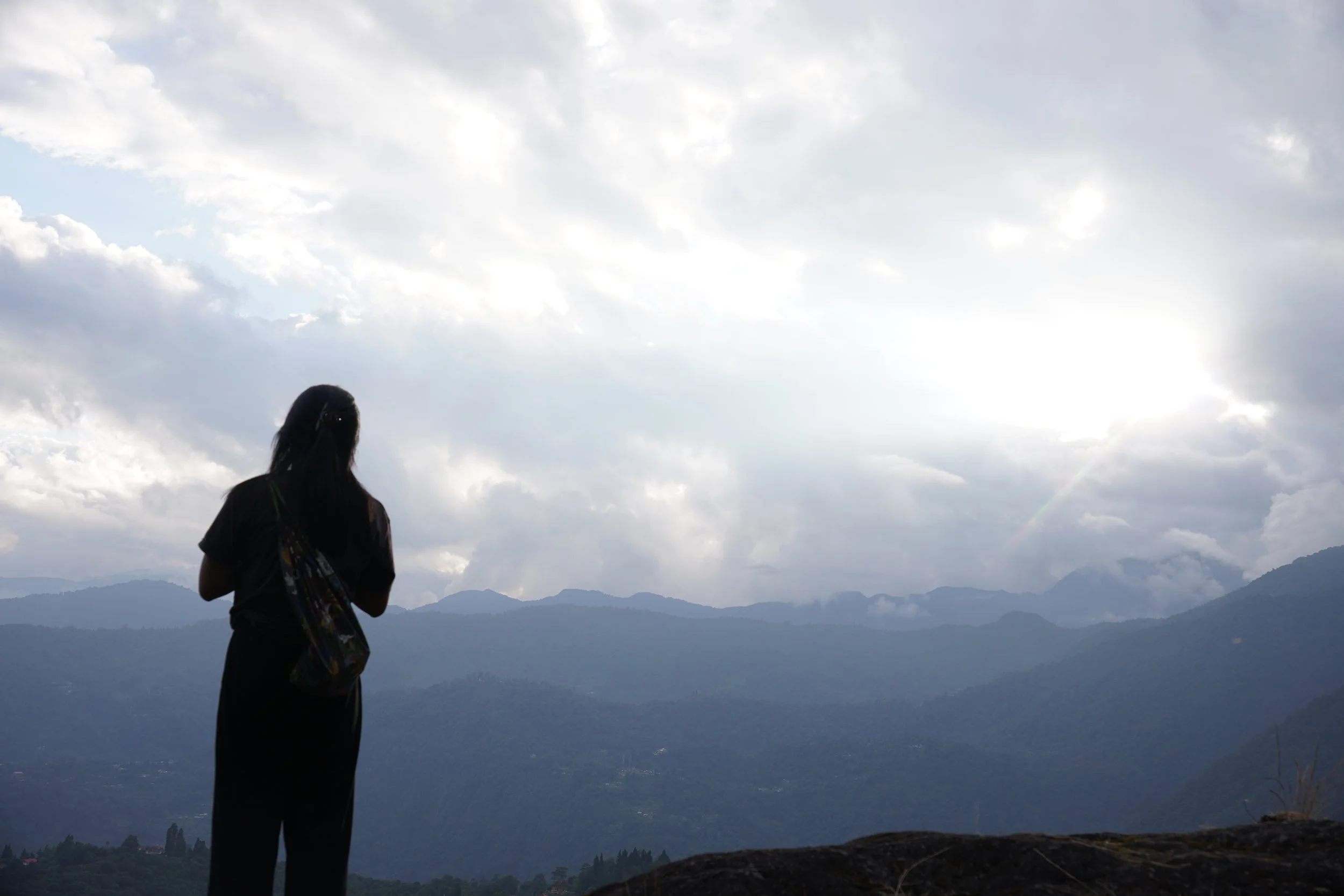
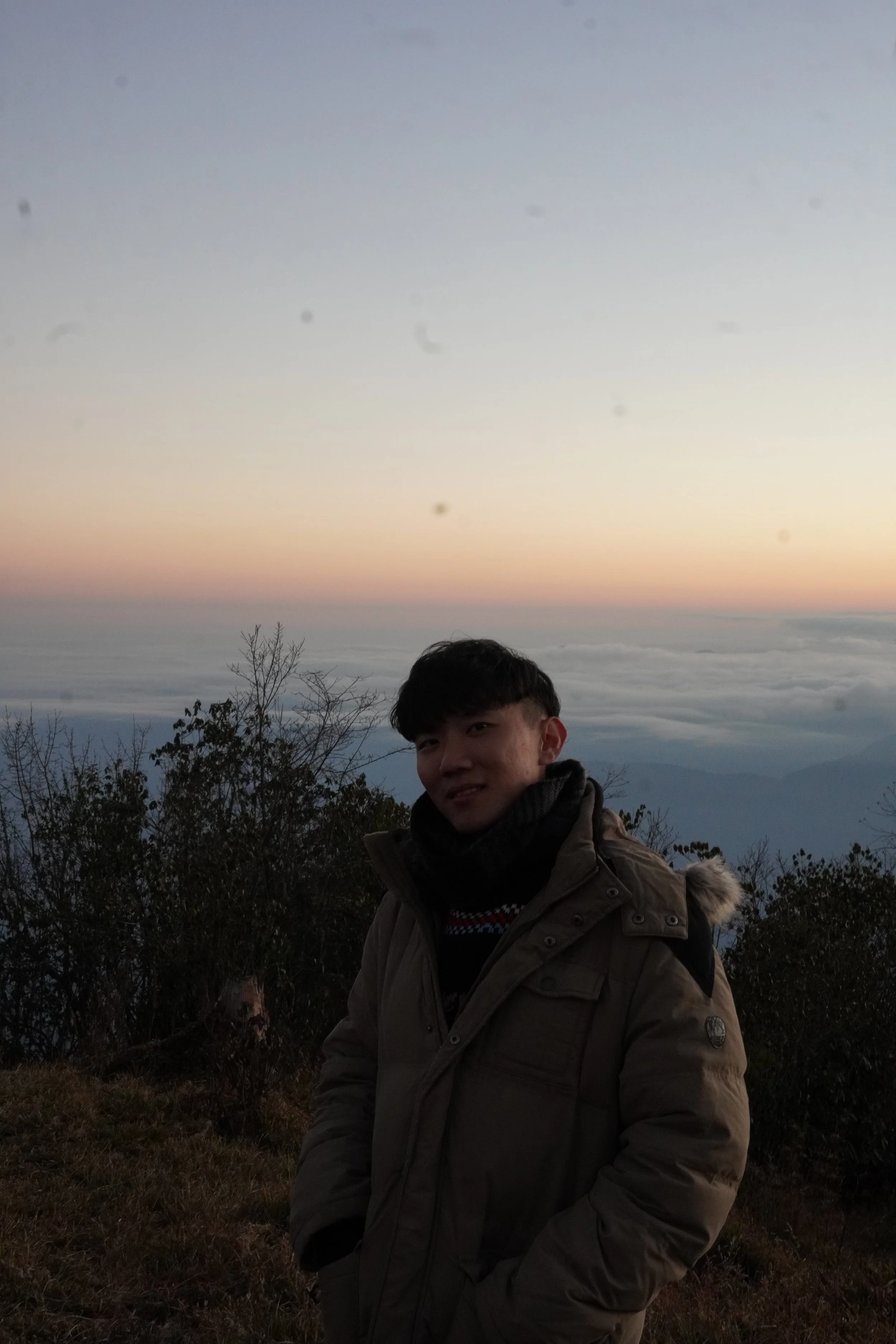
“Community. Realising that choosing to love with a genuine heart is something that no riches can buy.”
Bing Ming (2025 & 2024 December)
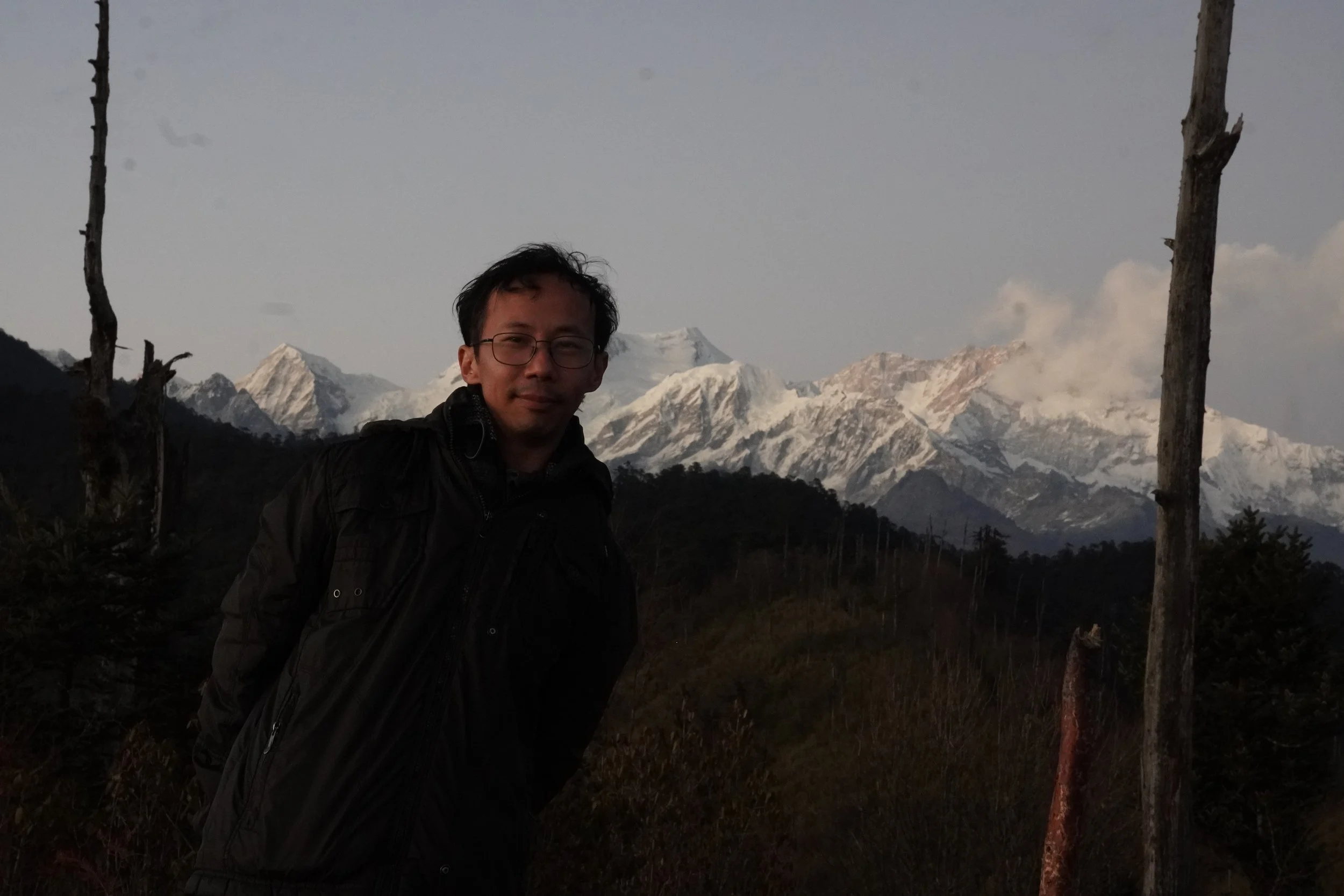
“Sikkim has shown me how community and relationships are indeed the greatest currency in life.”
Amos (2025 December)
Retreat Schedule
Day 1: Welcome
Arrival
Group dinner with Tshampo
Group meditation
Settle in at Ejam Residency
Day 2-5: Silent Retreat
Group meditation
Breakfast
Discourse
Group meditation
Lunch
Rest / 1-1 sessions
Discourse at Dubdi Monastery
Individual meditation at Dubdi Monastery
Rest / 1-1 sessions
Dinner
Discourse
Group dedication & Metta meditation
Group conversations, Q&A
Day 6: Tshampo’s home village
Breakfast
Drive to Nambu
Gratitude puja
Explore Nambu village
Day 7: Farewell
Pheri bhetum / let’s meet again
Day 8: Trek rest day (▲3340m)
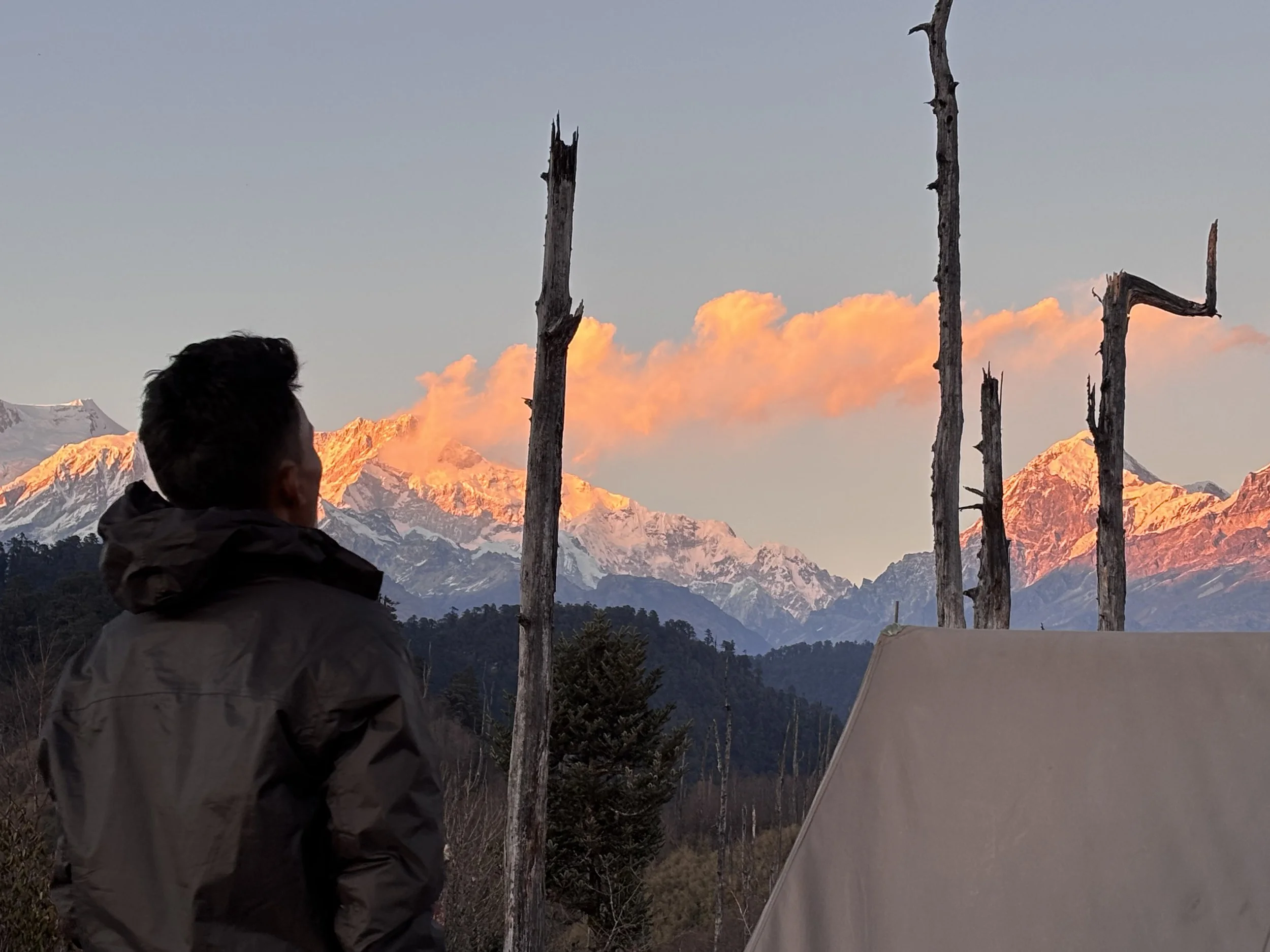
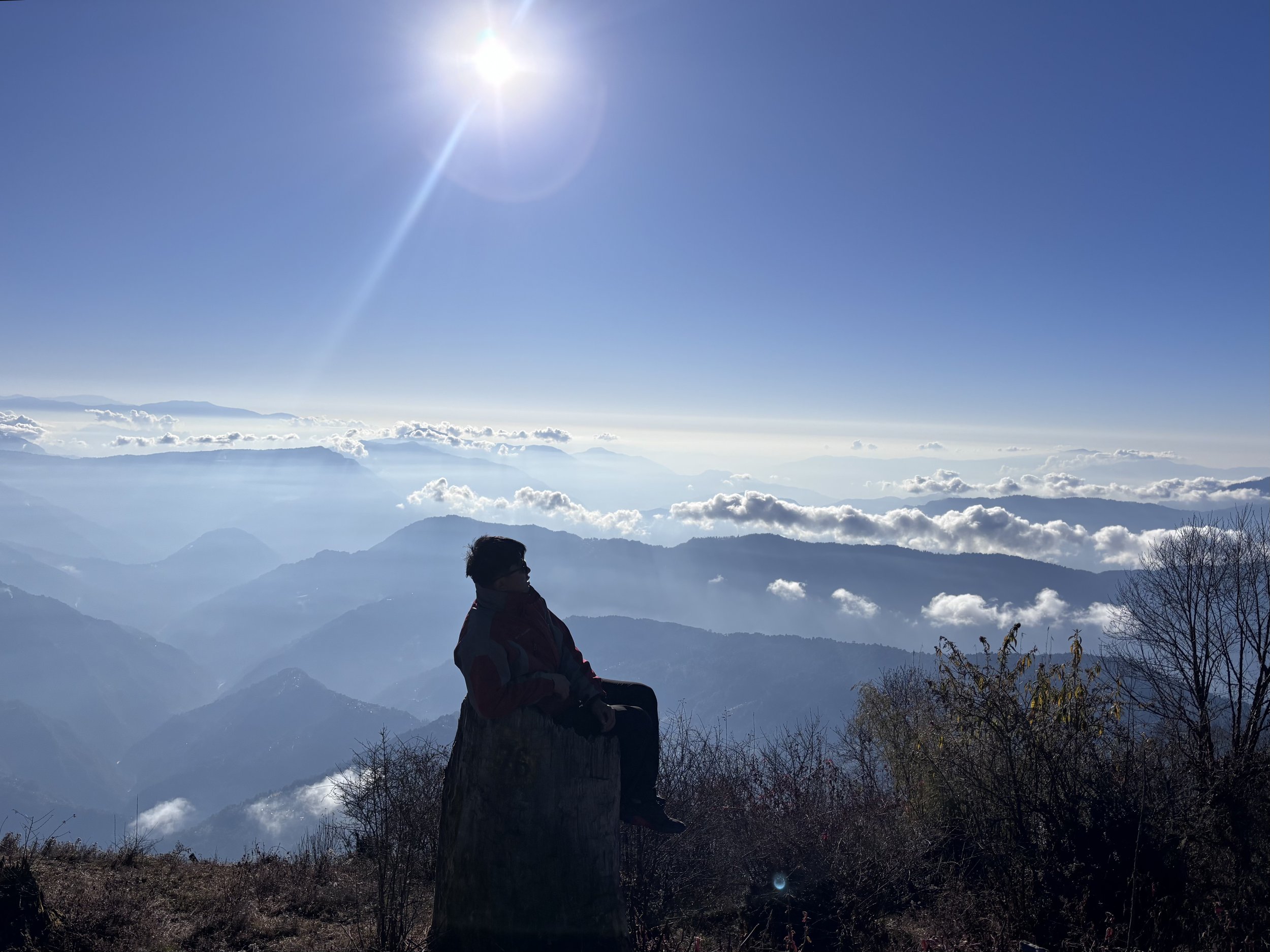
Sunrise & sunset in the mountains
Rest and stillness in the mountains
Deep conversations about life
Short walks from campsite
Day 9: Back to Yuksom
Break camp after breakfast
Descend back to Lamathang
Return to Yuksom by car
Day 10: Rest / Wildcard
Room for spontaneity
Cold plunge by the waterfall
Dip in a hotspring
Day 11: Farewell
Pheri bhetum | let’s meet again
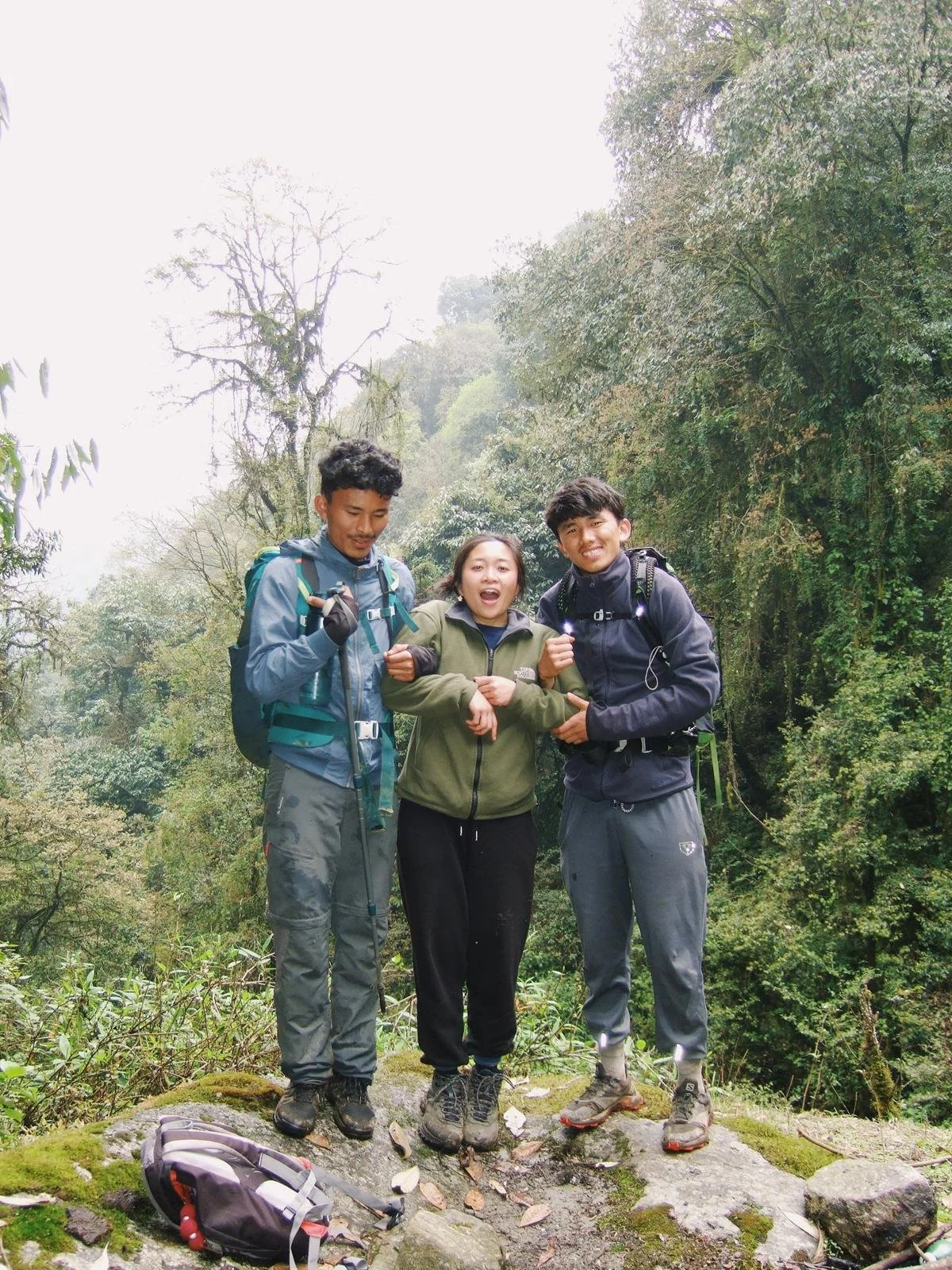
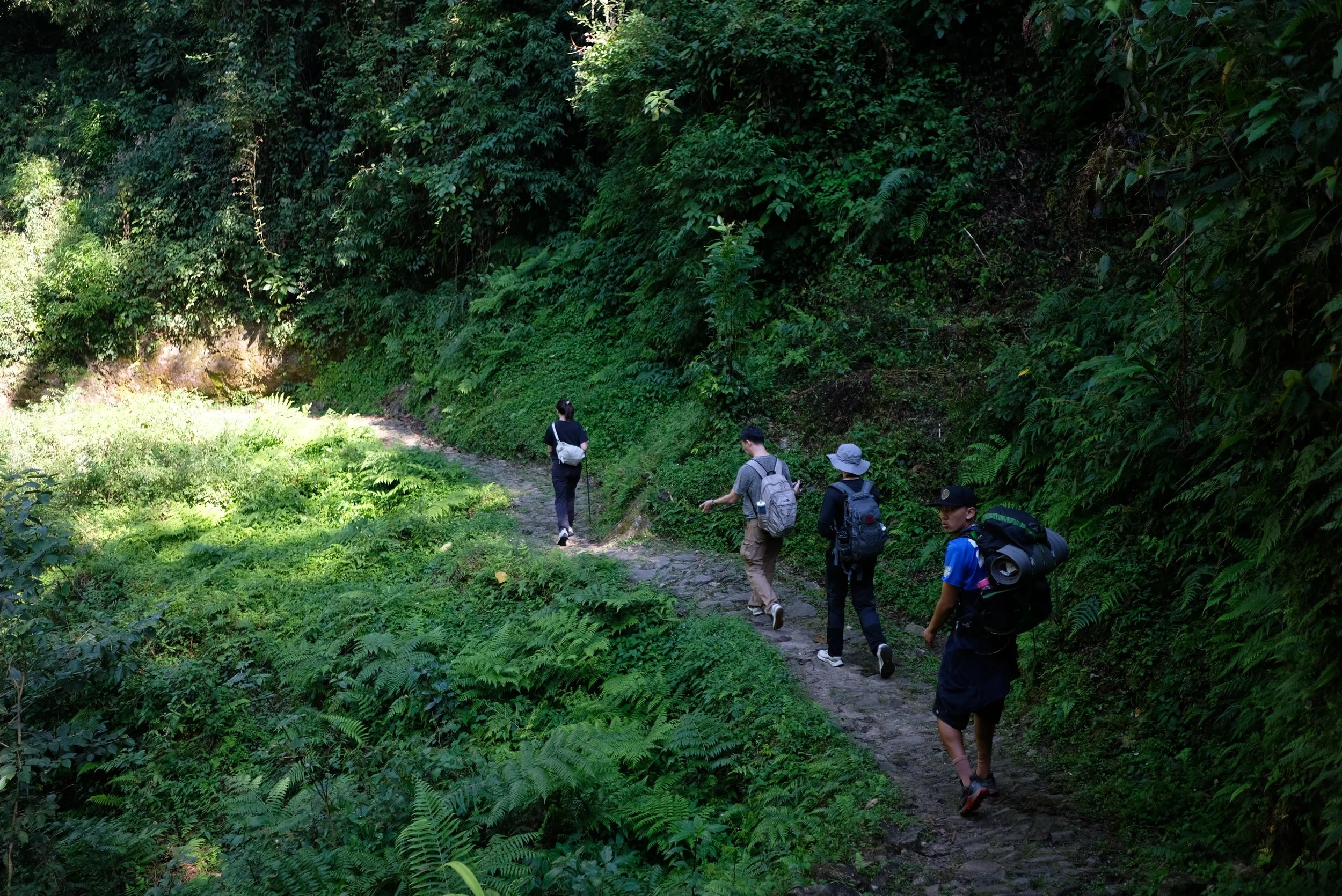
Prior hiking experience would help you, but it’s not strictly necessary. We’ve had a dear guest who celebrated her 50th birthday with this being her first ever trek. A reasonable level of fitness and stamina is required.
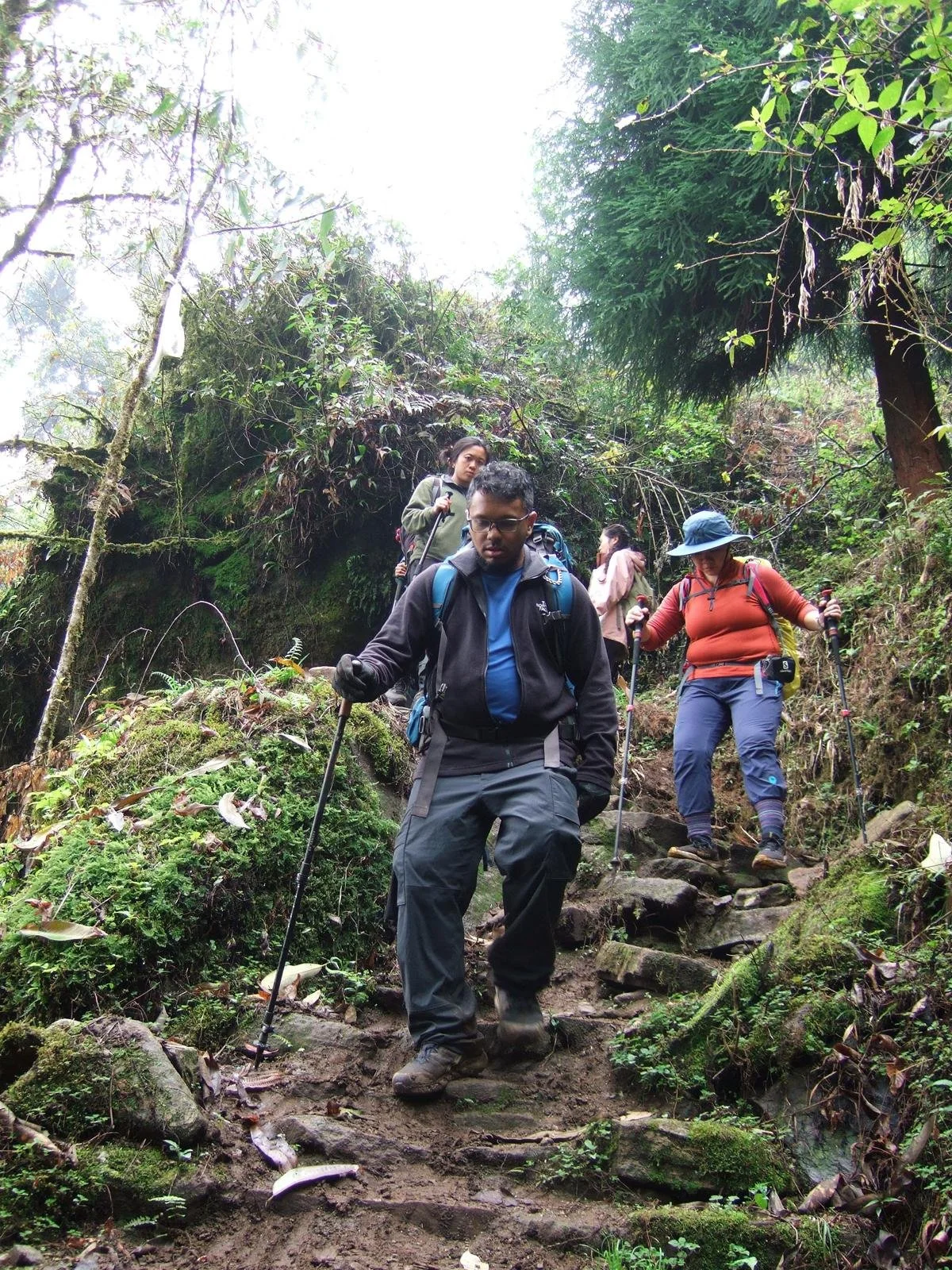
Expect steep stretches for the majority of the way, but we will take short breaks from time to time. While technical climbing skills are not required, good balance, especially while walking downhill on rocky terrain is a huge bonus.
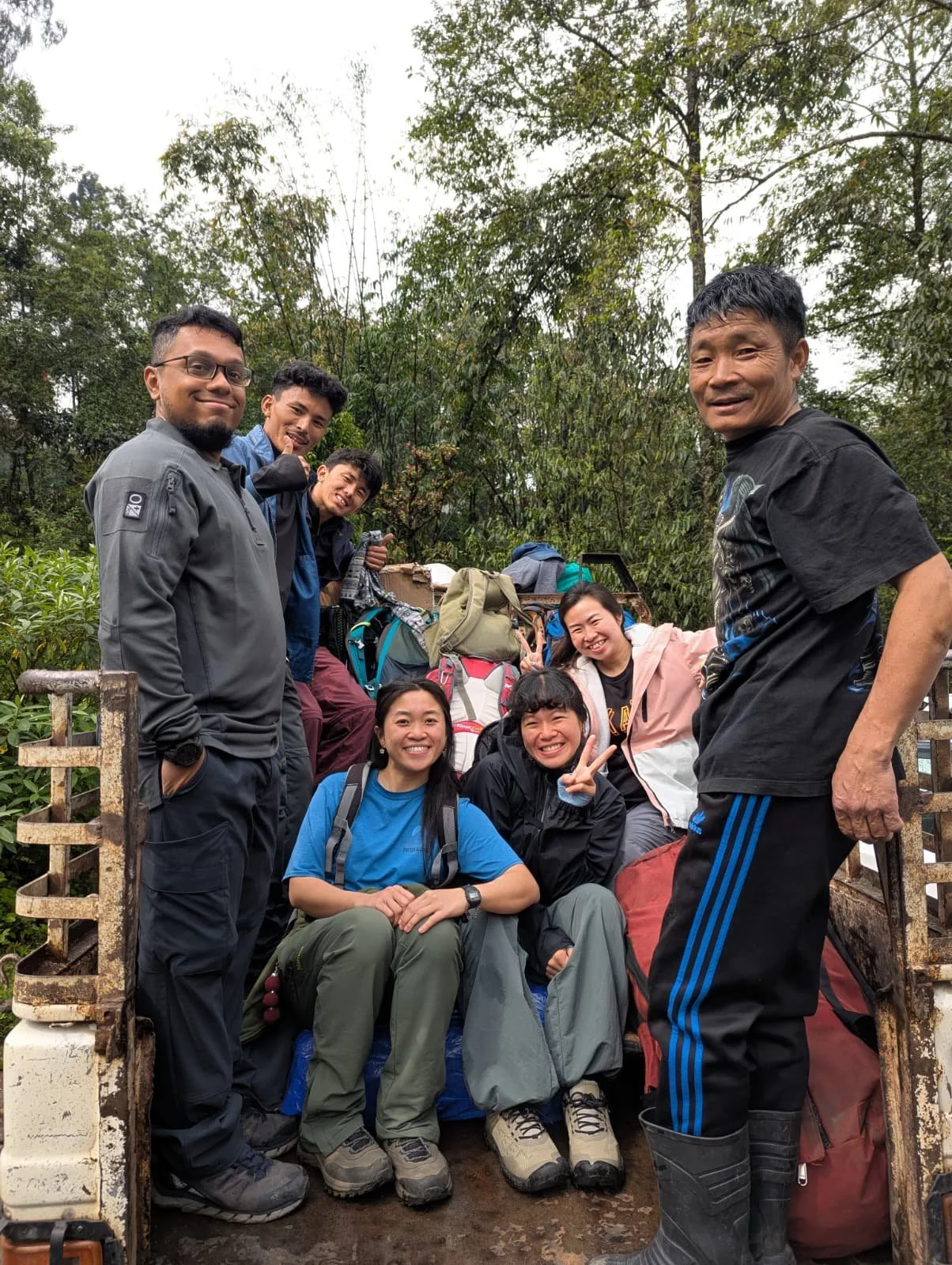
A pre-trip meeting and pre-trek briefing will be arranged to better prepare you mentally and logistically.
As a sign of respect, it’s important that we ask the mountains for permission before starting the trek, and thank the mountains for safe passage after the trek.
Accommodation
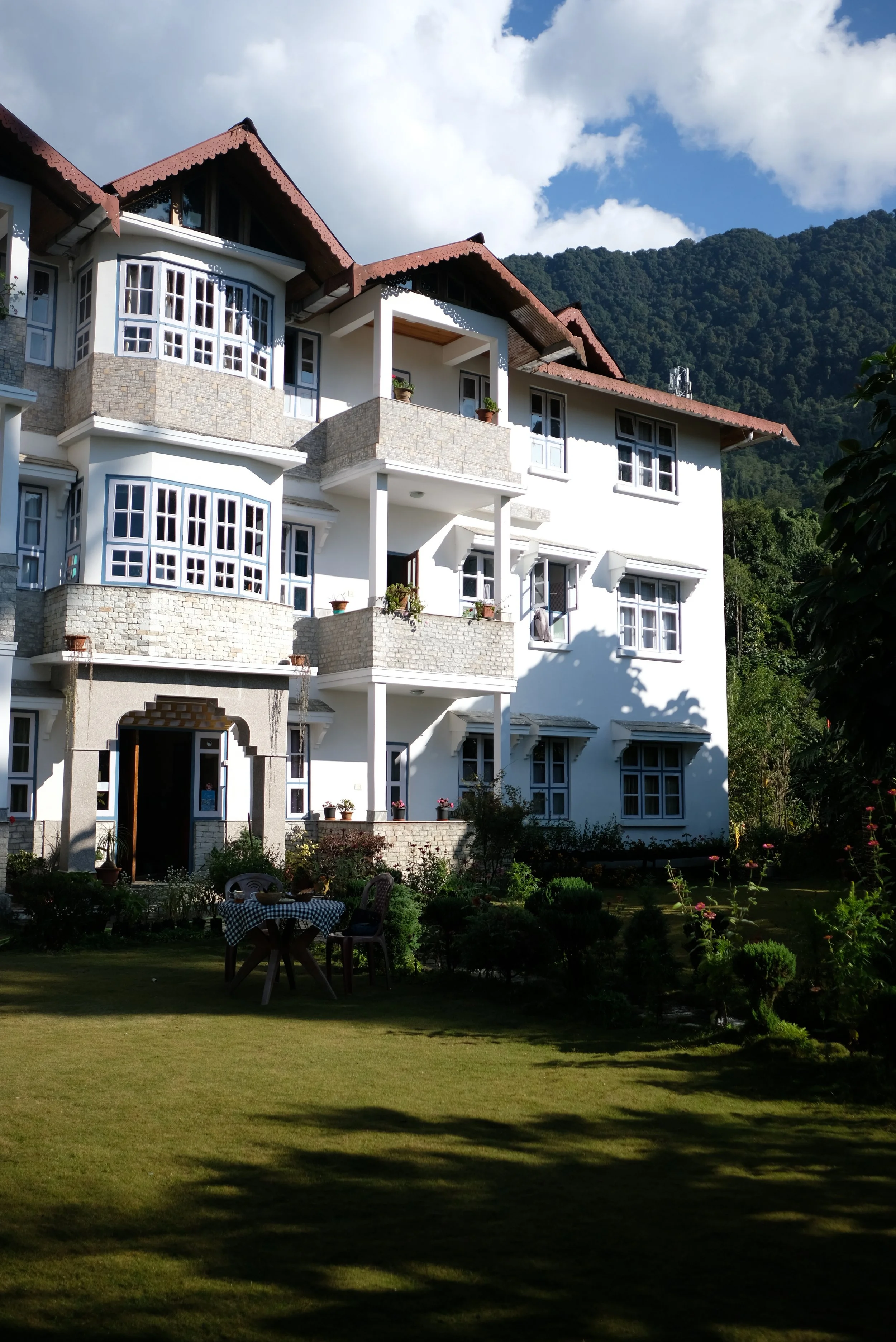
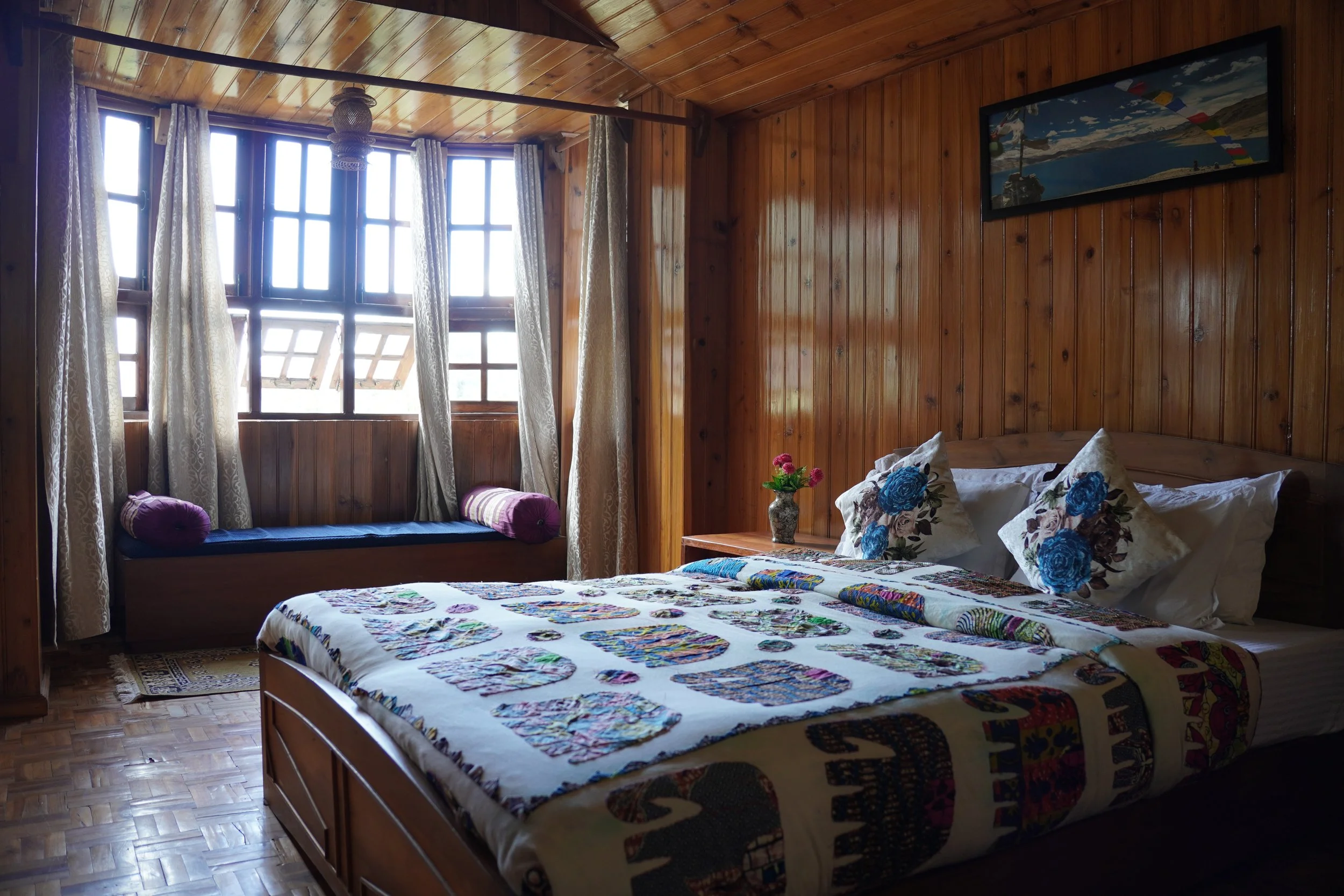
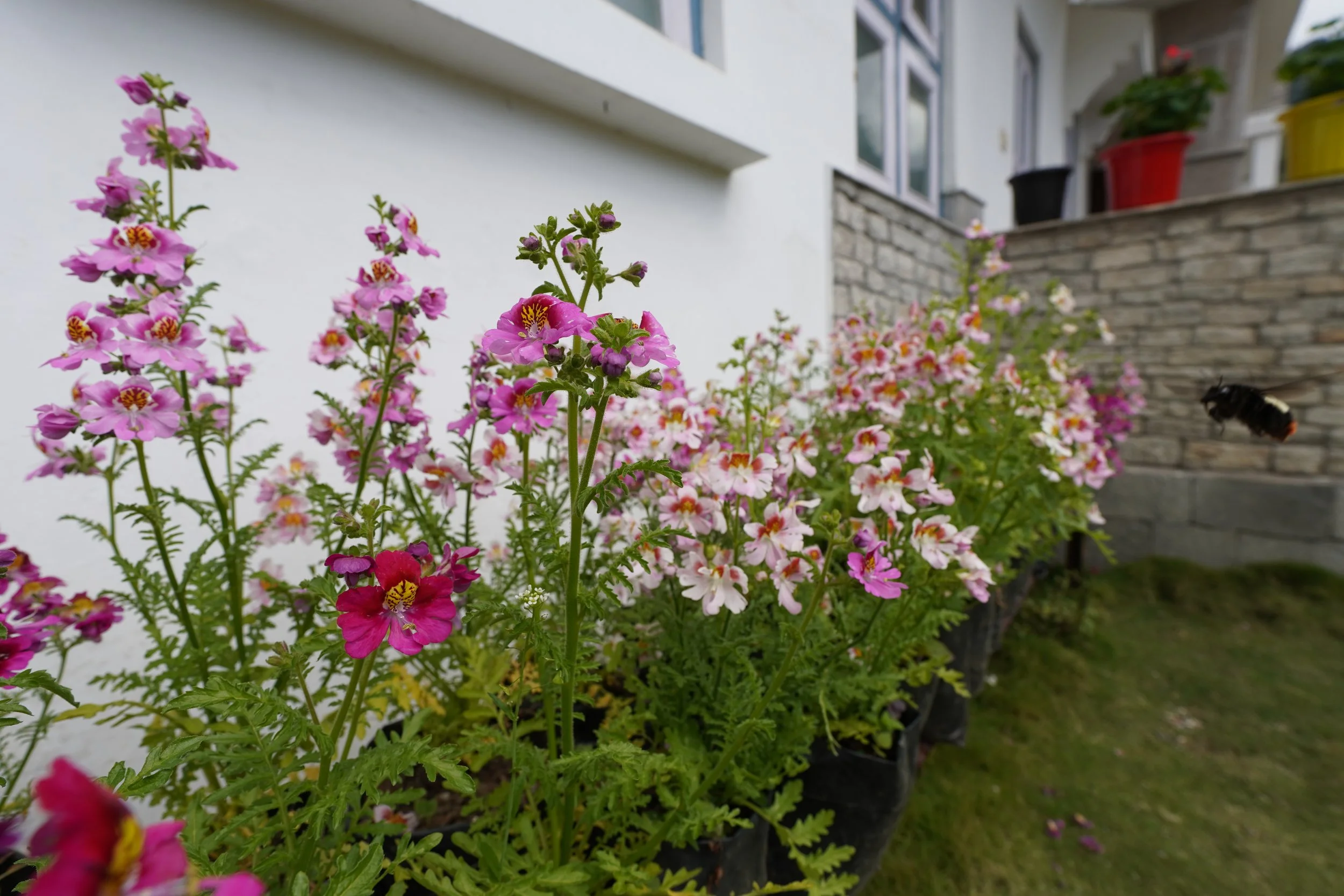
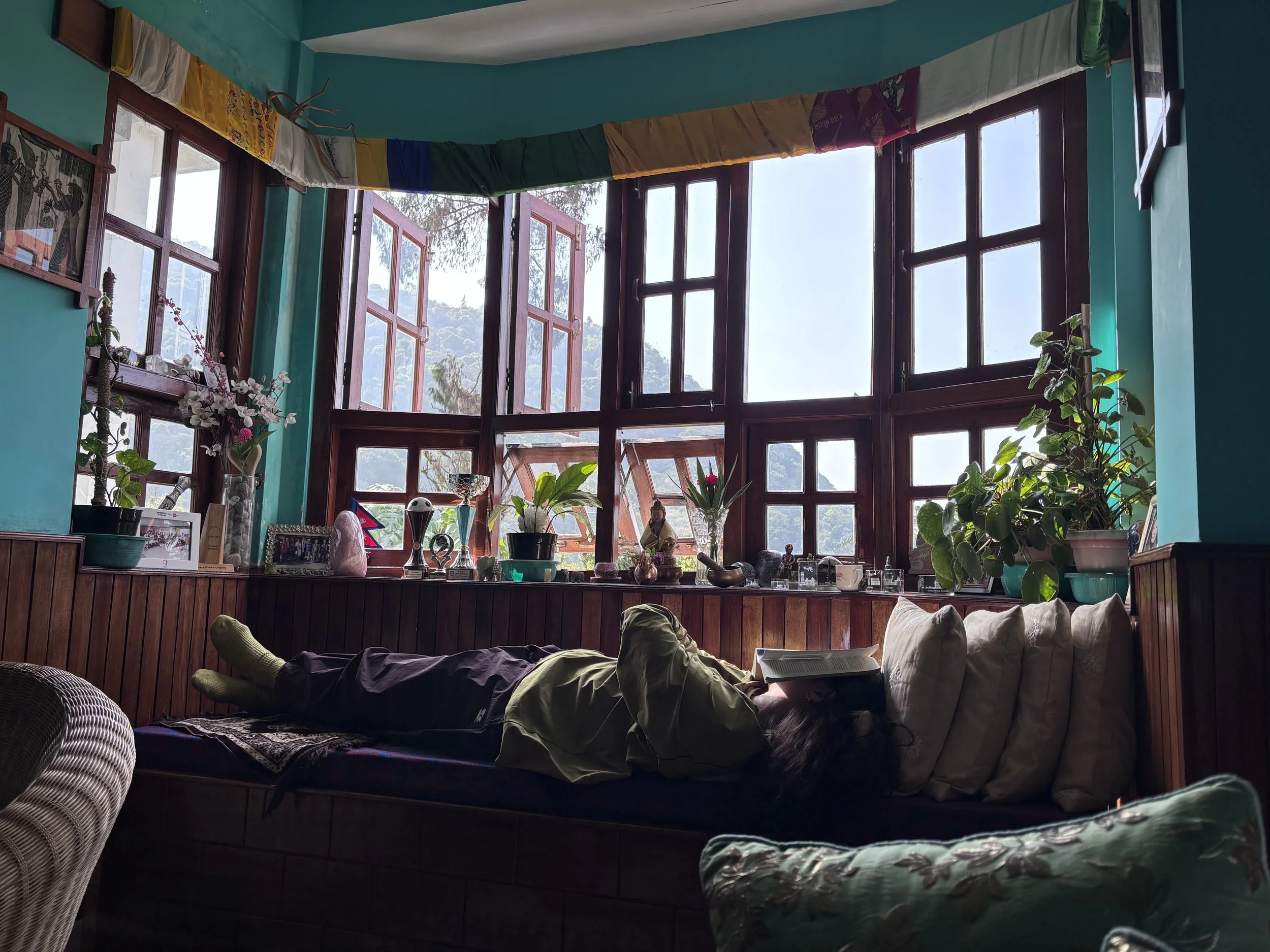
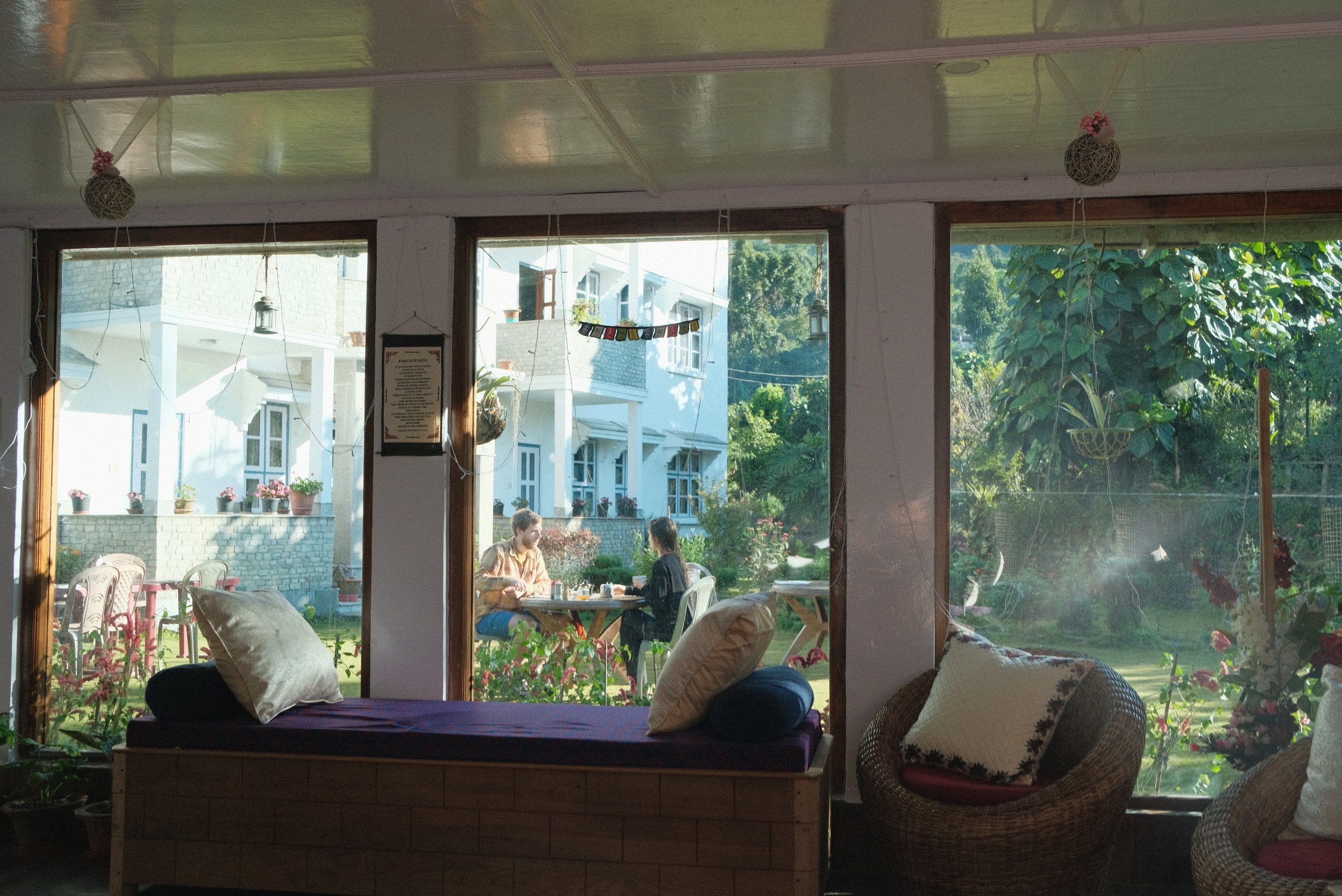
Ejam Residency is a three-storey home in Yuksom, and the Ejam family who built it stays on the second storey. You’ll know instantly the moment you step inside why I always insist on putting up Feels Like Om guests here.
Private bathrooms, hot showers, laundry, and WIFI — but past guests speak fondly of conversations shared with the family in the kitchen, mornings on the lawn, afternoons in the library, and one guest’s favourite morning ritual: taking huge mouthfuls of fresh air from the balcony.
Meals
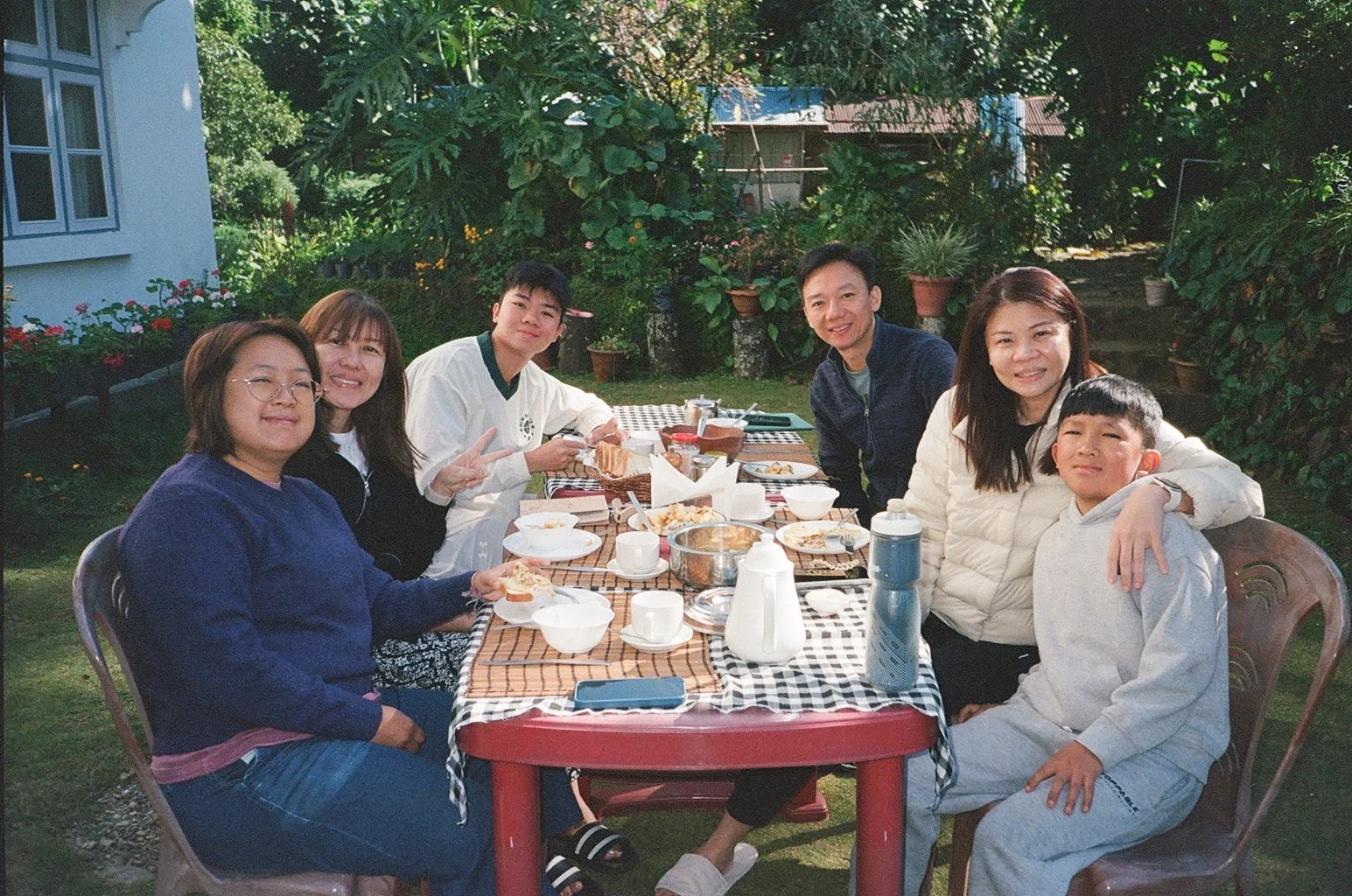
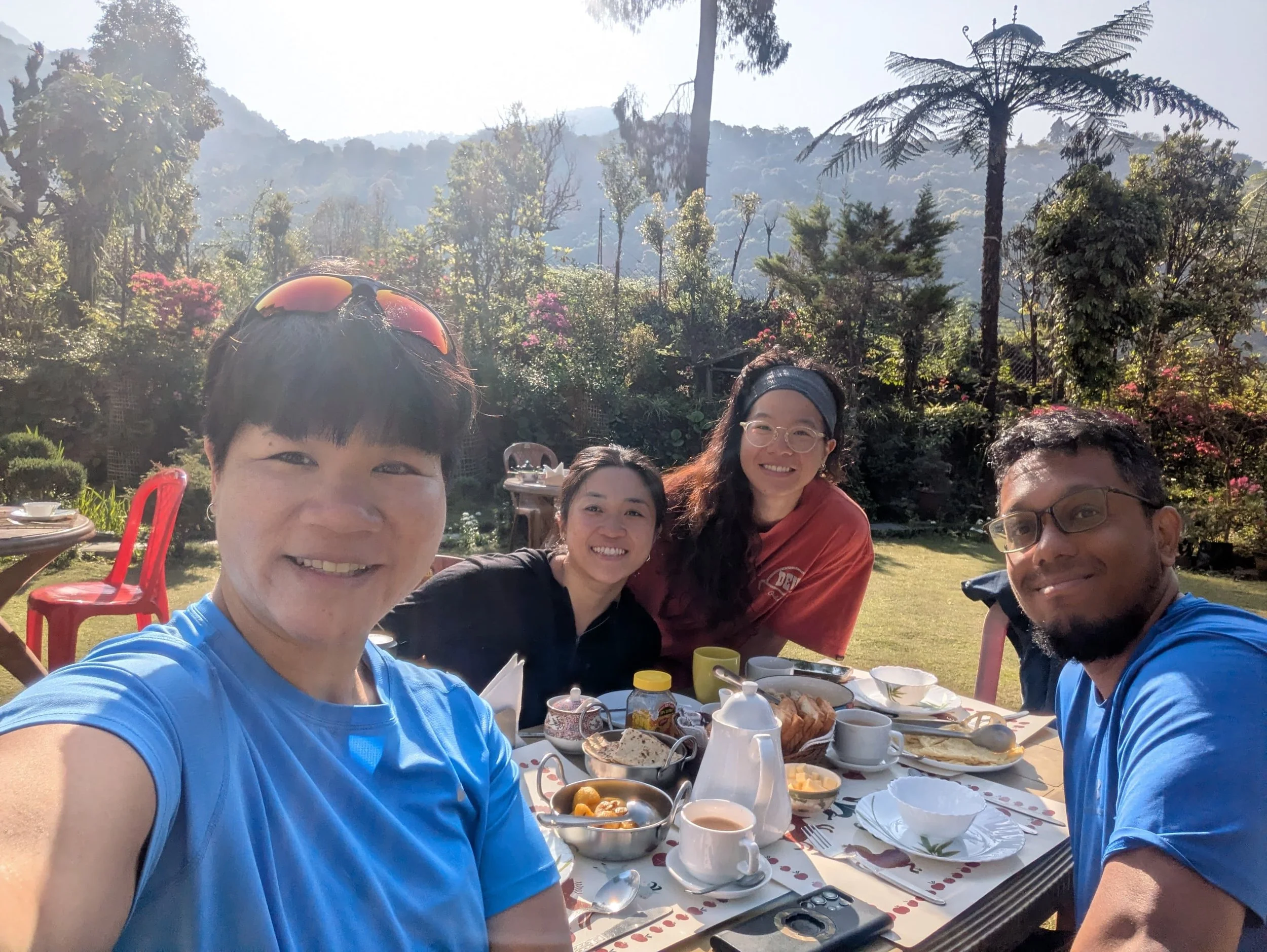
Breakfast is usually on the lawn. Durga decides what you’re eating, it might be buckwheat pancakes one day and alu puri the next. There is always fresh fruit, hot tea and coffee, and the spread rotates daily.
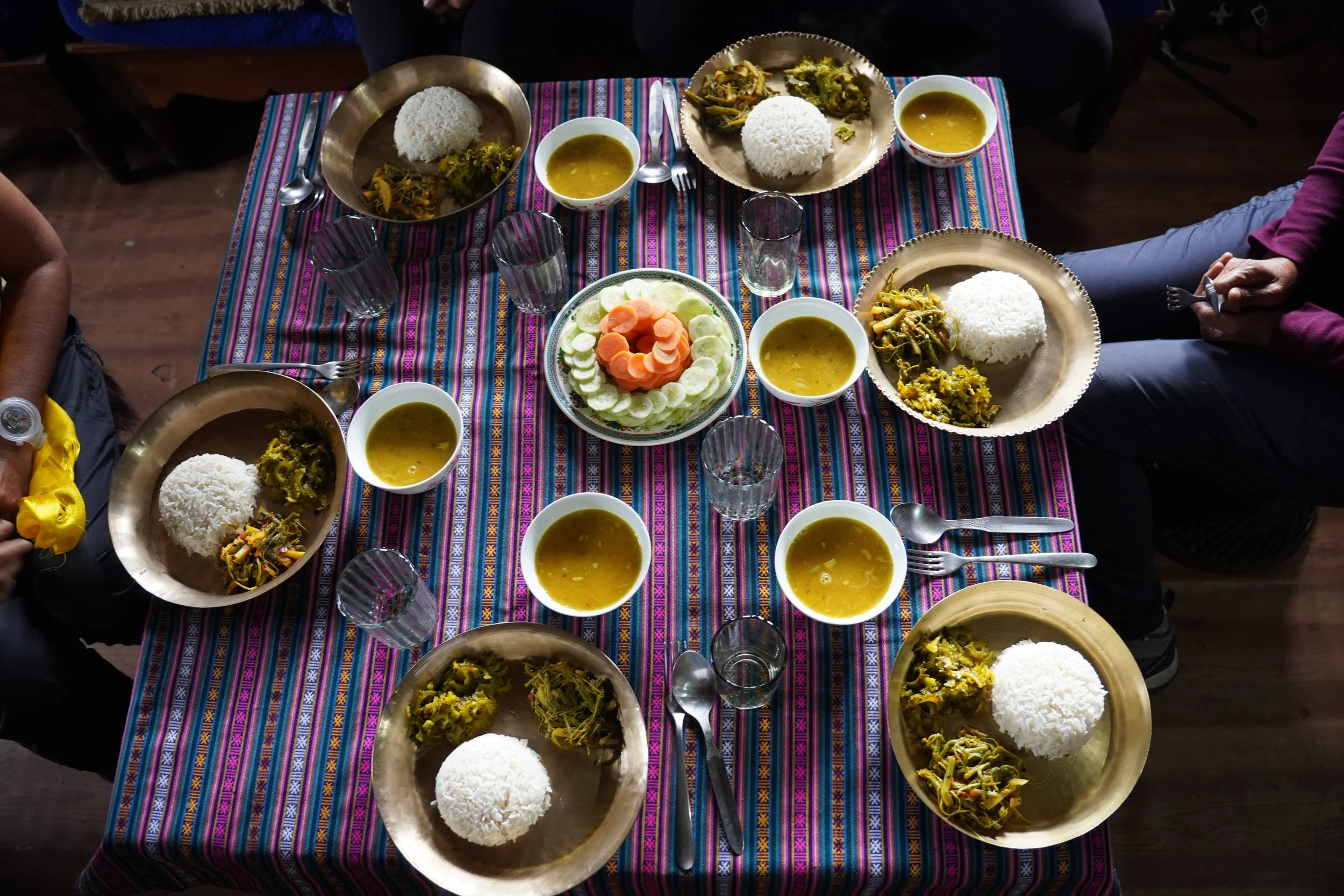
Dinner is omakase. The cooking here isn’t what you find in restaurants. What is served on your dinner table might be cowrie, thentuk, iskus ko munta, or a pumpkin soup from their garden. Nettle soup. Fiddlehead ferns. Edible flowers.
If you want something to drink alongside your meal, there is homemade rhododendron wine, Sikkim-made rum, whiskey, or Tongba, a fermented millet drink, served warm in a bamboo cup, for you to sip from a bamboo straw.
Villagers’ time, energy, experience and knowledge
Exclusive cultural access built on years of relationship
7 nights of single/double accommodation at Ejam Residency
7 breakfasts
7 dinners
Guided village walk & introduction to medicinal plants
Street food tour
Organic butter churning and cheese making workshop
Organic homestay wood-fired lunch
Guided women-led foraging hike
Outdoor cooking experience
Bamboo basket weaving workshop
1 cook & 2 assistant cooks
2 trained trekking guides
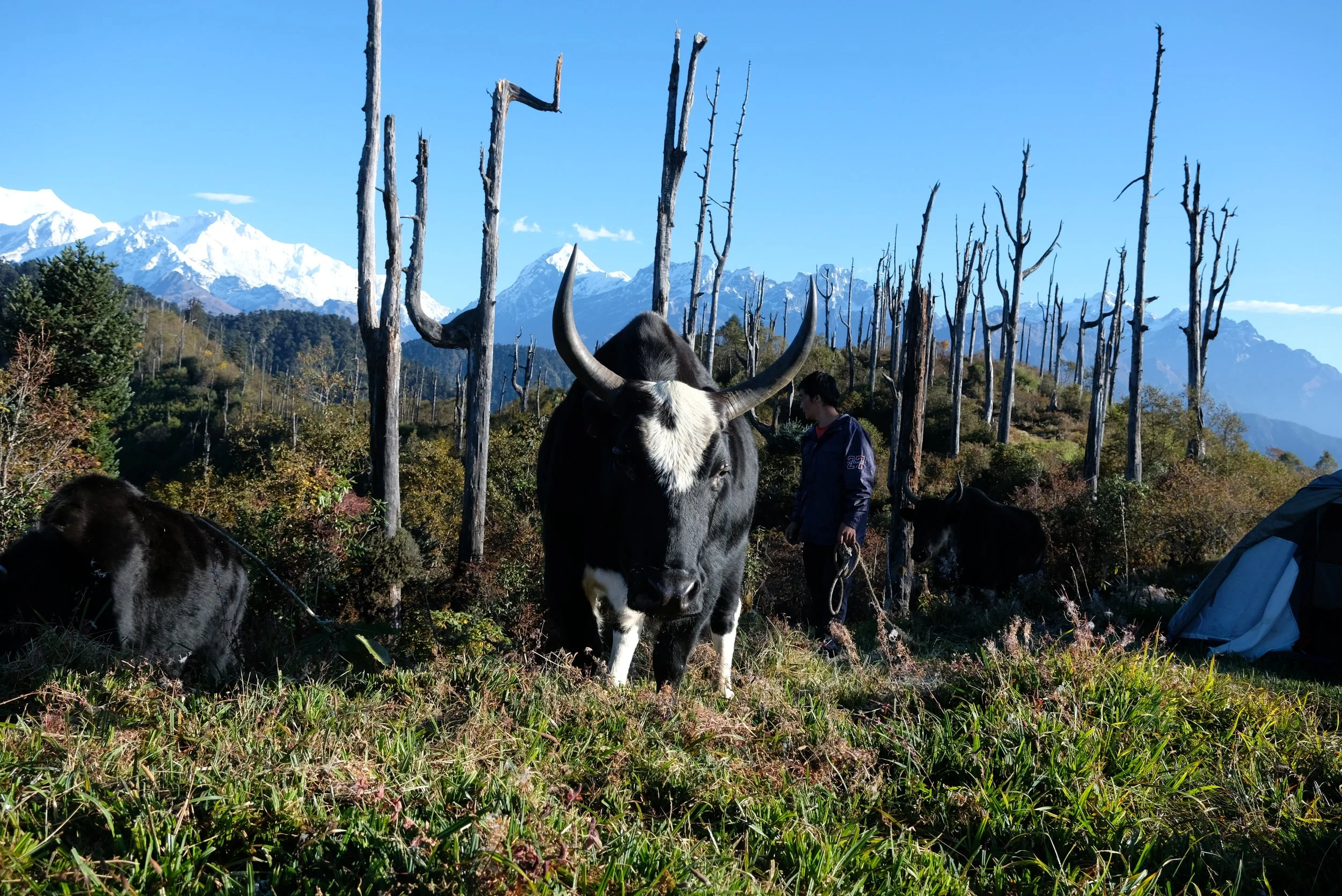
Dzos & dzo guide
All kitchen & camping equipment, including toilet tent
Multi-course breakfast, lunch, dinner during trek
Personalised guidance for all visa and flight-related bookings, including a pre-trip meeting and direct access for all your queries
Cost Inclusions
Visa and insurance
Some lunches
Personal expenses, e.g. laundry, souvenirs, alcohol
Tips for homestay hosts, guides, porters, cooks, and drivers (recommended)
Exclusions
Other Journeys
Way of the Yaks
Feels Like Home